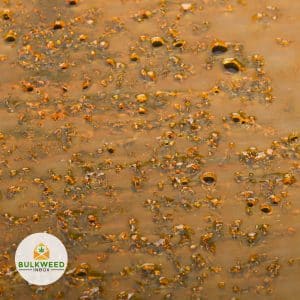

Introduction to Shatter
Shatter is a type of cannabis concentrate that has gained significant popularity due to its potency and unique glass-like appearance. It’s known for its high THC content, making it one of the most powerful forms of cannabis available. Shatter gets its name from its brittle consistency, as it tends to “shatter” into pieces when handled, much like glass. This form of concentrate has become a favorite among experienced cannabis consumers who seek intense effects in smaller, more efficient doses.
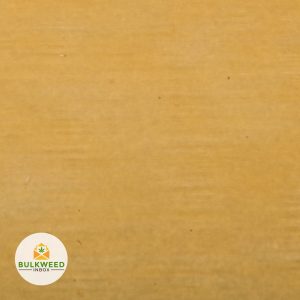
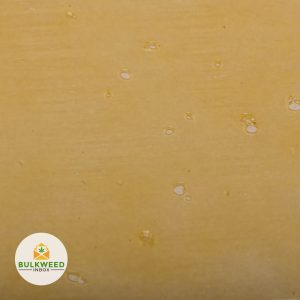
Shatter is often golden or amber in color, and its transparent, glassy appearance sets it apart from other concentrates like wax or budder, which are softer and more opaque. Its smooth, stable texture allows for easy handling and storage, making it a practical choice for many.
One of the key reasons people use shatter is its high potency. With THC levels often ranging from 60% to 90%, it delivers fast, powerful effects, typically more intense than traditional cannabis flower. This makes shatter ideal for users seeking strong experiences in a shorter amount of time, whether for recreational enjoyment or to manage chronic pain or other medical conditions.
While shatter offers powerful effects, it’s essential to approach it with care, especially for those new to concentrates. Its potency can be overwhelming, so starting with small amounts and gradually increasing is recommended. Proper usage methods and tools are also crucial for enjoying shatter safely, which leads to exploring the best ways to consume and handle this potent product.
Understanding Shatter’s Composition
Shatter is a cannabis extract known for its purity and potency, and its creation involves a precise and careful extraction process. It’s typically made by using solvents such as butane or CO2 to extract the cannabinoids, terpenes, and other beneficial compounds from the cannabis plant, leaving behind plant material and unwanted substances. The result is a highly concentrated form of cannabis that boasts high levels of THC (and occasionally CBD), making it especially appealing to those looking for a strong and immediate effect.
How is Shatter Made?
The process of making shatter starts with raw cannabis plant material, which is packed into an extraction tube. Solvents, most commonly butane or CO2, are then passed through the material to strip away the active compounds like THC, CBD, and terpenes. Once these compounds have been collected, the solvent is purged from the mixture, often using a vacuum oven, which ensures no residual solvent remains. What’s left is a concentrated oil that, when cooled and allowed to stabilize, takes on the signature glassy texture of shatter.
One of the reasons shatter has such a firm, brittle consistency is due to its molecular structure. The extraction process, when done carefully, preserves the cannabinoids in their natural state, allowing them to form an organized, stable structure that gives shatter its transparent, glass-like quality. This also means shatter can be more fragile than other cannabis concentrates like wax or budder, which have a more malleable consistency due to differences in their molecular arrangements.
Key Differences Between Shatter and Other Concentrates
While all concentrates are potent, shatter stands out due to its unique texture and composition. Unlike wax, which has a softer, more malleable texture, or live resin, which preserves a higher concentration of terpenes for a more flavorful experience, shatter is prized for its stability and ease of handling. Its transparency is also a sign of purity—properly made shatter contains fewer impurities than concentrates with a cloudy or opaque appearance, which may indicate the presence of unwanted waxes or fats.
In terms of potency, shatter is comparable to other high-THC concentrates, but its firm structure makes it easier to dose consistently, as it can be broken into precise portions with the right tools. This is one of the reasons why experienced cannabis users prefer it—they can control their intake better, especially when using methods like dabbing.
Understanding how shatter is made and what sets it apart from other concentrates can help users appreciate both its potency and its purity. However, it’s important to be mindful of quality—well-made shatter will be clear and stable, while lower-quality shatter may contain residual solvents or impurities that can affect both the experience and health of the user. Always choose shatter from trusted sources to ensure you’re getting a clean, safe product.