

Sativa vs. Indica Edibles: The Deep-Dive 2025 Canadian Guide
For years, the cannabis community has debated the “head high” of Sativas versus the “body stone” of Indicas. However, as we move through 2025, the conversation has shifted from simple plant names to phytochemical synergy. When you consume premium cannabis edibles in Canada, your body ignores the label on the bag and instead focuses on two things: your unique metabolism and the product’s specific terpene-cannabinoid matrix.

In this guide, we explore why edible “types” often overlap and how the March 2025 Health Canada updates have revolutionized how you shop for concentrates and treats online.
The Metabolic Shift: Why Edibles Hit Differently
The primary reason a Sativa edible might feel like an Indica (and vice-versa) is a process called First-Pass Metabolism. When you smoke, Delta-9-THC enters the blood via the lungs. When you eat, the liver converts that Delta-9 into 11-hydroxy-THC.
According to pharmacology studies on PubMed, 11-hydroxy-THC is significantly more potent and has a higher affinity for CB1 receptors in the brain. This creates a “heavier” experience that can mask the subtle uplifting effects of a Sativa strain.
2025 Health Canada Updates: The “SOR/2025-43” Impact
On March 12, 2025, the Regulations Amending Certain Regulations Concerning Cannabis officially came into force. These “streamlining” updates have changed the retail landscape in three major ways:
- The Rise of Co-Packing: Producers can now package multiple individual items (like THC variety pack gummies) into one outer container, provided the total equivalent does not exceed 30g of dried flower.
- QR Code Transparency: Labels are now legally permitted to feature QR codes. These link to Certificates of Analysis (COAs), giving you real-time access to the terpene profiles (Limonene, Myrcene, etc.) that actually drive the Sativa/Indica feel.
- Single Federal Stamp: The transition to a unified federal excise stamp has reduced costs for producers, leading to more competitive pricing for high-potency bulk cannabis gummies.
Comparative Analysis: Sativa vs. Indica vs. Hybrid
| Type | Terpene Profile | 2025 Best Use Case |
|---|---|---|
| Sativa | Limonene / Pinene | Creative projects, morning hiking, social events. |
| Indica | Myrcene / Linalool | Deep sleep, chronic pain management, “couch-lock” relaxation. |
| Hybrid | Caryophyllene / Humulene | Managing anxiety while remaining functional. |

Shop Our Newest 2025 Arrivals
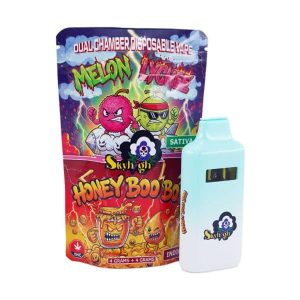
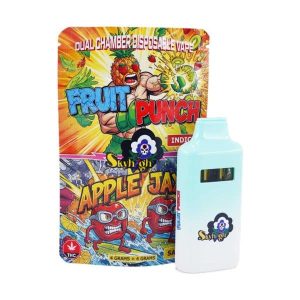
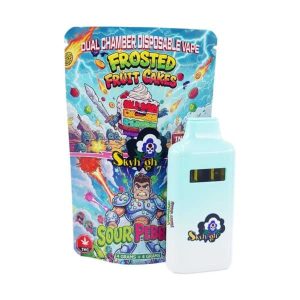
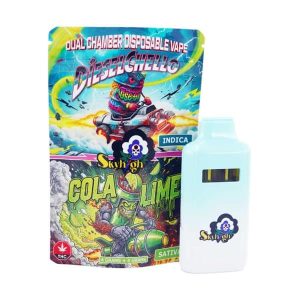
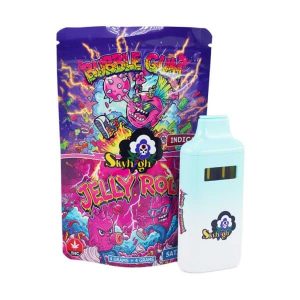
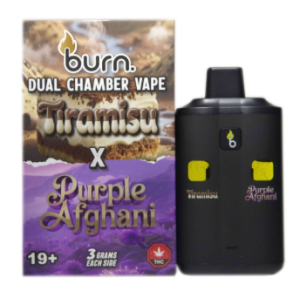
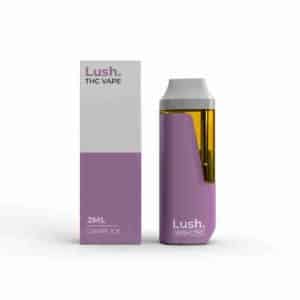
Looking for the latest tech in vaping? Our inventory is updated daily with the newest hardware and extracts, sorted here from **Newest to Oldest**:
Safe Consumption & Possession Limits
Navigating the legal limits is easier with the Health Canada Possession Calculator. In 2025, an adult can carry up to 30g of dried cannabis or its equivalent in public. For edibles, 15 grams of solid product (like a brownie or gummy) is generally equivalent to 1 gram of dried flower.

Dosage Recommendations (Updated for 2025)
- Microdose (1mg – 2.5mg): Perfect for those using THC distillate for subtle mood enhancement without a “high.”
- Standard (5mg – 10mg): The threshold for recreational euphoria for most Canadians.
- High Dose (20mg+): Recommended only for experienced users or medical patients with high tolerance.
🔍 2025 Edible FAQ
Is 11-hydroxy-THC dangerous?
No, but it is much stronger. Consumers should read Healthline’s guide on edible duration to prepare for a session that could last 6 to 12 hours.
Can I see the lab results for my edibles?
Yes. Under the 2025 “Streamlining” rules, look for the QR code on your packaging to see the exact potency and safety results from the producer.
Do “Fast-Acting” edibles still use 11-hydroxy-THC?
Partially. Fast-acting tech (nano-emulsification) allows some THC to enter the blood through the mouth and stomach lining, bypassing the liver and hitting in as little as 15 minutes.
Experience the future of Canadian cannabis. Browse our collection of lab-tested Sativa, Indica, and Hybrid edibles today.
Leave a comment