

If you’ve ever opened a jar of shatter or wax only to find it has changed from a translucent glass into a creamy, opaque, peanut-butter-like consistency, you’ve witnessed buddering.
In the world of cannabis concentrates, “buddering” is both a specific extraction technique used to create the popular texture known as premium cannabis budder and a natural process of crystallization. Understanding why this happens—and whether it’s a sign of quality or age—is essential for any concentrate enthusiast.

What is Buddering? The Science of Nucleation
At its core, buddering is a form of nucleation. This is the process where the various elements within a cannabis extract—specifically the cannabinoids (like THC) and the terpenes—begin to separate from one another and reorganize into crystals.
Why does it happen?
Concentrates are “supersaturated” solutions. Over time, or when exposed to certain environmental factors, the molecules want to return to a more stable state. Several factors accelerate this:
- Agitation: Whipping or stirring the extract during or after production.
- Temperature: Fluctuations in heat can cause the stable “glassy” structure of shatter to break down.
- Moisture: High humidity can trigger the separation of lipids and cannabinoids.
- Terpene Content: High levels of liquid terpenes can act as a solvent that encourages the THC to crystallize.
Note: When a producer intentionally “whips” the concentrate during the purging process to trap air and create this texture, the result is the premium product we call Budder.

Budder vs. Shatter vs. Crumble: What’s the Difference?
The texture of a concentrate often dictates how you consume it and how it tastes. Budder is widely considered one of the most user-friendly textures on the market.
| Texture | Consistency | Best Feature | Handling |
|---|---|---|---|
| Shatter | Glass-like, brittle | High stability & shelf life | Hard to dose (can snap) |
| Budder | Creamy, butter-like | High terpene retention | Very easy to scoop |
| Crumble | Dry, honeycomb-like | Long-term stability | Can be messy/crumbly |
| Live Resin | Saucy, grainy | Maximum flavor profile | Requires a dab tool |
The Benefits of Budder: Why Enthusiasts Love It
While some users worry that “buddering” (when it happens naturally to shatter) means the product is “going bad,” it is often actually a sign of high terpene content. Many connoisseurs prefer the budder texture for several reasons:
- Ease of Use: Unlike stable cannabis shatter, which can fly across the room when you try to break a piece off, budder has a “malleable” consistency. You can easily scoop a precise dose with a dab tool.
- Flavor Profile: The process of buddering often involves a lower-heat purge, which preserves the delicate terpenes that give the strain its unique aroma and flavor.
- Aromatics: Because the terpenes are more “active” in a buddered state, the concentrate often smells much stronger than a stable sheet of shatter.

How to Store Concentrates to Prevent (or Encourage) Buddering
If you prefer your shatter to stay “glassy,” or if you want to keep your budder fresh and creamy, storage is the most important factor.
- To Prevent Buddering: Keep your extracts in a cool, dark, and dry place. Air-tight glass containers are superior to silicone for long-term storage, as silicone can actually leach terpenes over time.
- To Encourage Buddering: If you have a stable wax that you find hard to handle, leaving it in a slightly warmer area and giving it a gentle stir can initiate the nucleation process to make it creamier.
According to clinical research on cannabinoid stability and degradation, exposure to light and air is the primary cause of THC breaking down into CBN, which affects the potency and texture of your extracts.
Featured Concentrates
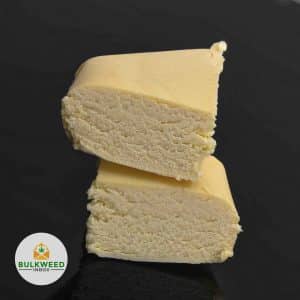
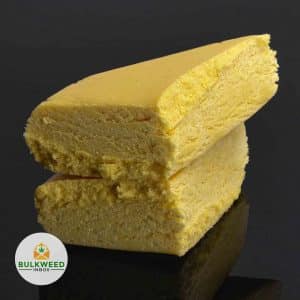
If you are looking for that perfect, creamy consistency, check out our current selection of premium budders and waxes.

Live Budder vs. Traditional Budder
While shopping, you’ll likely see products labeled as “Live Budder.” The difference lies in the starting material:
- Traditional (Cured) Budder: Made from dried and cured cannabis flowers. It is stable, potent, and offers a deep, mature flavor profile.
- Live Budder: Extracted from fresh cannabis plants that were flash-frozen immediately after harvest. This preserves the “live” terpene profile, resulting in a much more vibrant experience.
If you prioritize flavor and the “entourage effect,” Live Budder is usually the gold standard. You can find these in our high-quality cannabis concentrates section.
Quality Check: How to Spot Premium Budder
Not all budder is created equal. Use this checklist to ensure you’re dabbing a high-quality product:
- The Color: Premium budder ranges from a pale “blonde” to a rich golden honey. Avoid dark brown or green products, which can indicate excess plant matter.
- The Consistency: It should feel like cold butter or thick cake frosting. If it is overly dry, the terpenes may have evaporated.
- The Aroma: A high-quality budder should have a “loud” scent. As noted by industry experts at Leafly’s guide to budder, the smell is often the best indicator of a clean purge.
Pro Tip: The Best Dabbing Temperature
Because budder is so rich in terpenes, heat management is crucial. If your nail is too hot, you will burn off the flavors.
The Sweet Spot: Aim for a “Low-Temp Dab” between 350°F and 450°F. This range allows the THCA to vaporize effectively while preserving the delicate terpene profile.
Frequently Asked Questions (FAQ)
1. Is “buddered” weed still safe to smoke?
Absolutely. Buddering is a physical change in texture, not a chemical breakdown. It is perfectly safe to dab.
2. Does buddering mean my shatter is old?
Not necessarily. While age can cause it, it is more often a result of temperature changes or high terpene content.
3. What is the difference between Budder and Badder?
The terms are often used interchangeably. Generally, “Budder” is more solid, while “Badder” or “Batter” is more “saucy.”
4. Can I turn Budder back into Shatter?
No. Once the molecules have nucleated, you cannot return them to a stable, glassy state without laboratory re-purging.
5. Does Budder lose potency over time?
The THC content remains largely the same, though some flavor may be lost if terpenes evaporate.
Leave a comment